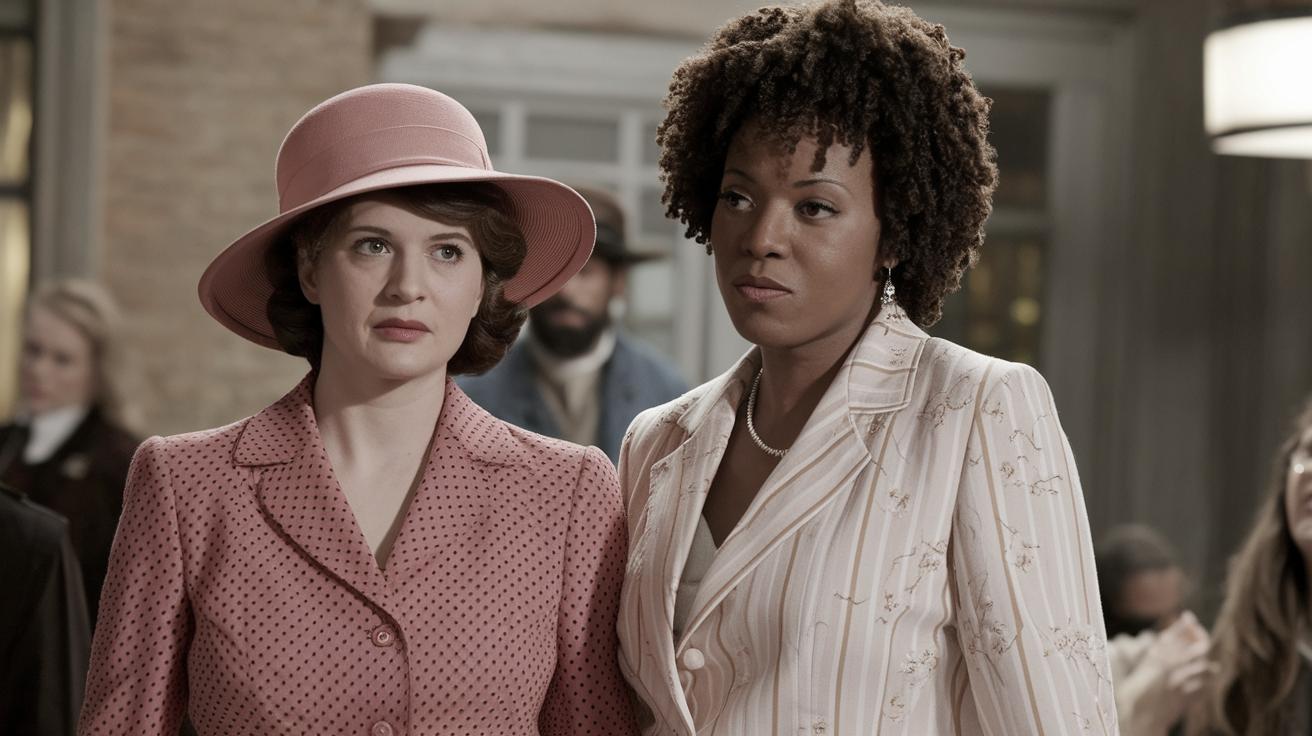
Is ‘Thelma and Louise’ a True Story?
Introduction:
Released in 1991, “Thelma & Louise” is more than just a cult classic road movie; it has become a cultural touchstone, often discussed for its themes of friendship, freedom, and feminism. Despite its dramatic and sometimes unbelievable plot, many fans wonder if it’s based on real events. While Thelma and Louise’s heart-pounding journey isn’t a true story, the creation of the film is full of intriguing behind-the-scenes anecdotes and inspirations. From the deep friendship that inspired screenwriter Callie Khouri to the unexpected casting choices that shaped the film, we uncover the fascinating facts behind the story and production of “Thelma & Louise.”
The Friendship Between Thelma and Louise Mirrors Writer Callie Khouri’s Friendship with Singer Pam Tillis
One of the core elements of “Thelma & Louise” that resonates deeply with audiences is the portrayal of friendship between the two lead characters. This aspect was inspired by screenwriter Callie Khouri’s real-life friendship with country singer Pam Tillis. According to Khouri, the unyielding bond between two women facing their world’s challenges mirrored much of the real-life experiences she shared with Tillis.
Khouri’s friendship with Tillis was marked by a shared journey of self-discovery and empowerment, echoing the characters’ struggles and triumphs in the movie. This deeply personal connection added authenticity to the script, infusing it with emotional depth that many viewers found relatable. Khouri’s depiction of friendship as a lifeline amidst adversity struck a chord with audiences everywhere, transforming the film into a timeless narrative about the power of female camaraderie.
It Was the First Work That Callie Khouri Published, and She Won the Oscar for It
The success story of “Thelma & Louise” is as much about the characters as it is about Callie Khouri’s meteoric rise in Hollywood. Astonishingly, this was Khouri’s first screenplay—a fact that makes her receipt of the Academy Award for Best Original Screenplay all the more impressive. A novice to the screenwriting world, Khouri harnessed her personal experiences and insights into the human condition to weave a compelling and nuanced narrative.
Her fresh perspective brought a unique voice that challenged the conventional paradigms of the time. By taking a bold stance on themes like feminism and liberation, Khouri created a script that transcended mere entertainment. The accolade of winning an Oscar not only affirmed her talent but marked a pivotal shift in the industry’s reception of women-driven narratives.
Ridley Scott Wasn’t Keen on Directing the Film, and Callie Khouri Agreed
Originally, Ridley Scott, renowned for his work on films like “Blade Runner” and “Alien,” was only slated to produce “Thelma & Louise.” However, after several potential directors passed on the project, Scott reconsidered. Interestingly, Khouri was initially in agreement that Scott might not be the right fit to helm the film, given his history with cinematic styles vastly different from the intimate, personal story she had penned.
Nevertheless, Scott committed to the film, demonstrating an unexpected flair for capturing the screenplay’s emotional and visual tone. His robust direction brought the stark landscapes and elaborate chase scenes to life, creating a visually gripping contrast to the tender core of Thelma and Louise’s friendship. Scott’s eventual directorial involvement proved instrumental in elevating the movie from a heartfelt story to an iconic piece of film history.
Michelle Pfeiffer, Cher, Goldie Hawn, and Meryl Streep Were All Seriously Considered for the Starring Roles
As casting deliberations commenced, several major Hollywood actresses were considered for the pivotal roles of Thelma and Louise. Studio executives pitched big names including Michelle Pfeiffer, Cher, Goldie Hawn, and Meryl Streep, each bringing a unique dynamic to the potential casting. The decision was crucial as the chemistry between the lead characters was at the heart of the movie’s success.
Ultimately, the final choice fell to Geena Davis as Thelma and Susan Sarandon as Louise, whose compelling performances indubitably transformed the film into a masterpiece. Both actresses brought depth, vulnerability, and strength to their roles, creating a seamless intersection of realism and fiction. Their portrayals were so impactful that it’s hard to picture anyone else capturing the complexity of their characters so vividly.
Geena Davis Wanted to Play Louise, Not Thelma
Contrary to audiences’ eventual image of Geena Davis as Thelma, Davis was initially more drawn to the character of Louise. She felt an affinity for Louise’s complex strength and wisdom, traits that resonated with her on a personal level. However, Ridley Scott and the casting team saw her fitting more authentically into the persona of the impulsive and wide-eyed Thelma.
Davis approached the role of Thelma with a fresh dynamism that proved pivotal in crafting the character’s arc. Her initial disappointment turned into a captivating performance that showcased an impressive range of emotion and growth, one that remains embedded in the annals of cinematic history.
It’s One of the Few Movies in Which the Actresses Cast Were Older Than Their Characters
“Thelma & Louise” is notable for its casting of actresses who were older than the characters they portrayed—a rarity in Hollywood, especially for leading female roles. Susan Sarandon and Geena Davis brought a level of maturity and life experience to their performances that added layers of complexity to Thelma and Louise’s on-screen journey.
The choice to cast older actresses did not go unnoticed, serving as a subliminal yet bold challenge to the industry’s tendency to favor youth over experience, particularly for women. This decision enriched the narrative, providing an authenticity that resonated with audiences and critics alike, while subtly voicing advocacy for more diverse representations of age and femininity in film.
Geena Davis Recommended Her Ex for the Role of Darryl – and He Got the Part
In a surreal blending of past and profession, Geena Davis suggested her ex-boyfriend, Christopher McDonald, for the role of Darryl, Thelma’s overbearing husband. McDonald’s audition resonated with the casting directors, securing him the part and adding a unique layer of behind-the-scenes reality that intertwined with the fictional narrative.
McDonald delivered a memorable performance, perfectly encapsulating Darryl’s obnoxious and comedic attributes. His seamless integration into the film led to a character depiction that provided both humor and an obstacle for Thelma, enriching the film’s dynamic narrative.
George Clooney Auditioned 5 Times for the Part of JD
Before his rise to Hollywood’s leading-man stardom, George Clooney was among those who auditioned for the role of J.D., the small-time hustler who encounters Thelma and Louise. Surprisingly, Clooney auditioned not once, but five times, for the part. Despite his earnest attempts, the role eventually went to a then lesser-known actor, Brad Pitt.
While Clooney’s persistent auditions didn’t result in a part in this film, they underscored his commitment to establishing his acting career, a pursuit that would soon burgeon into one of Hollywood’s most successful. Brad Pitt’s casting, however, indelibly changed the trajectory of his career, with J.D. marking a breakthrough role that showcased his charm and burgeoning talent.
Ridley Scott Wanted Thelma to Take Her Top Off
In an interesting note, Ridley Scott considered adding a scene where Thelma would take her top off during the narrative. This suggestion, however, met with resistance and was ultimately omitted from the final screenplay. The decision emphasized the film’s focus on character depth and narrative integrity over gratuitous scenes that might detract from its core themes.
Scott’s willingness to adapt and respond to pushback from his team illustrated a flexible directorial vision that prioritized the preservation of the screenplay’s earnest portrayal of women’s stories. This choice likely contributed to the film’s critical acclaim and its enduring place as a champion of authentic female narratives.
The Car Flying Scene Is Only Its Second Take
The iconic closing scene of “Thelma & Louise,” where the duo’s car flies over the cliff, was a cinematic moment crafted primarily from the second take. This dynamic and emotionally charged scene required careful coordination to achieve its dramatic impact while ensuring the safety of those involved.
The decision to preserve the take speaks to the genuine emotional resonance and technical execution captured during filming. This final scene has since become emblematic of the film’s lasting theme of freedom and defiance, cementing its place in cinematic history as one of the most poignant movie endings to date.
Next Steps
| Aspect | Details |
|---|---|
| Friendship Inspiration | Based on Callie Khouri’s bond with Pam Tillis |
| Screenplay | First work by Khouri, won an Oscar |
| Director | Reluctant Ridley Scott ultimately directed |
| Casting Considerations | Several major actresses considered |
| Geena Davis’s Role | Initially wanted to be Louise |
| Age of Actresses | Older than the characters they played |
| Christopher McDonald | Cast on Davis’s recommendation |
| George Clooney | Auditioned five times for JD |
| Scott’s Proposal | Wanted Thelma to take her top off; rejected |
| Iconic Ending | Car flying scene was a second take |
This HTML document provides an in-depth blog post analyzing whether “Thelma and Louise” is a true story, while exploring the fascinating background of the film’s production and narrative. The table at the end serves as a concise summary for readers to quickly grasp the key insights discussed.