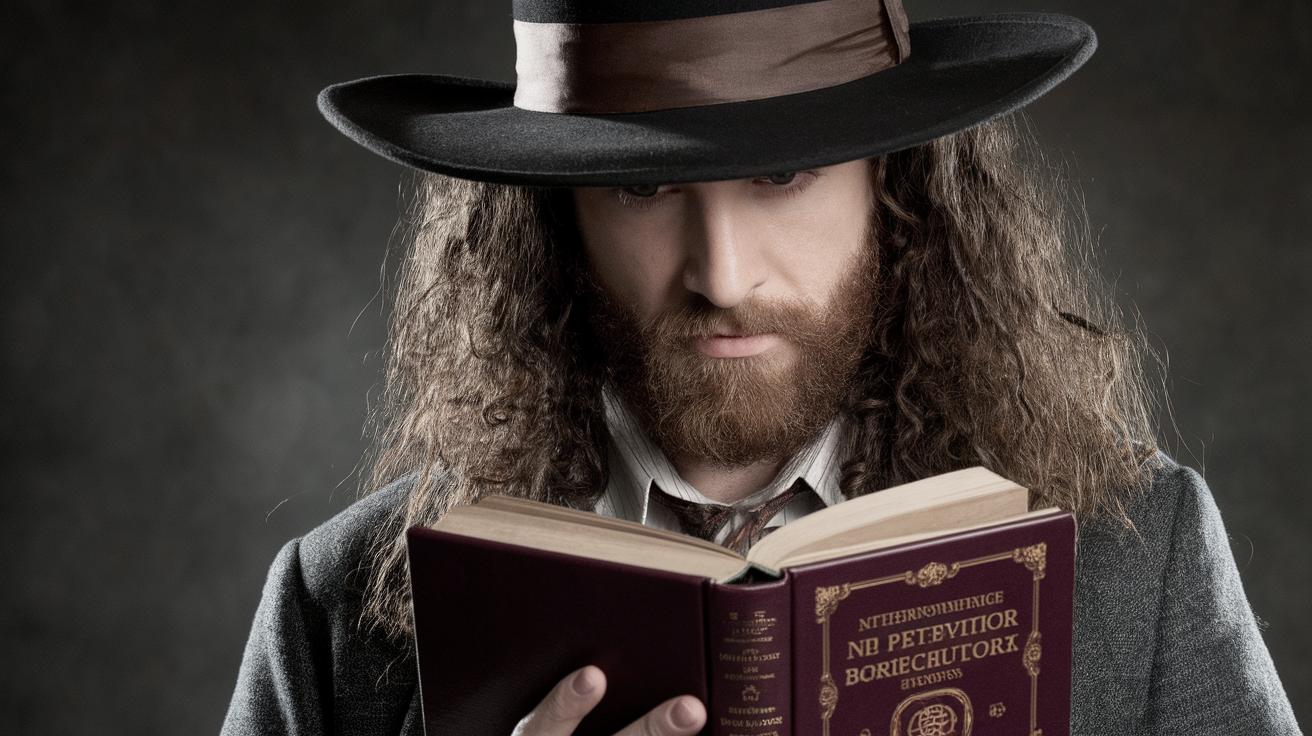
Famous Popular Book Characters
In literature, characters resonate with readers in profound ways, weaving themselves into the very fabric of our cultural consciousness. This blog post delves into some of the most famous and popular book characters, exploring the traits that make them unforgettable and their impact on readers worldwide. From the complexities of personalities found in classic novels to the engaging protagonists of contemporary fiction, each character serves as a portal to diverse narratives and a reflection of their authors’ imagination. Join us as we explore characters from A to Z, celebrating their journeys and the lessons they impart.
A: Atticus Finch
Atticus Finch, from Harper Lee’s “To Kill a Mockingbird,” embodies morality and justice. As the novel’s moral backbone, Finch’s courage is most evident in his defense of Tom Robinson, an African American falsely accused of rape. His commitment to upholding justice amidst societal prejudices presents a timeless lesson on integrity and empathy.
Atticus’s parenting style also leaves a profound impact, teaching his children, Scout and Jem, the virtues of understanding and compassion. Through his words and actions, he encourages readers to confront their biases and embody resilience and fairness, carving his place as one of literature’s most esteemed characters.
B: Bilbo Baggins
Bilbo Baggins, the Hobbit hero of J.R.R. Tolkien’s “The Hobbit,” represents the quintessential reluctant hero. Initially more interested in comfort than adventure, Bilbo’s journey transforms him into a brave and resourceful adventurer. His story speaks to the extraordinary capabilities inherent in even the most unassuming individuals.
His character development from a simple hobbit to a cunning leader offers timeless encouragement for those fearing the unknown. Bilbo’s adventures also lay the framework for Tolkien’s expansive Middle-earth mythology, setting the stage for the epic events of “The Lord of the Rings.”
C: Catherine Earnshaw
Catherine Earnshaw, from Emily Brontë’s “Wuthering Heights,” is a character defined by her passion and complexity. Her tempestuous relationship with Heathcliff creates a story of love and revenge that is both tragic and enthralling. Catherine’s internal conflict and ultimate choices drive much of the novel’s narrative tension.
Her fierce independence and emotions reveal the constraints placed upon women during her time, making her a memorable and often controversial literary figure. Catherine’s intense bonds and destructive decisions offer a multifaceted portrayal of love and obsession.
D: Dorian Gray
Dorian Gray, the titular character of Oscar Wilde’s “The Picture of Dorian Gray,” epitomizes the theme of vanity and moral degradation. As his portrait ages and takes on the burden of his sins, Dorian remains outwardly youthful, highlighting the superficiality and danger of beauty divorced from morality.
Dorian’s descent into hedonism and eventual realization of the costs of his choices serve as a cautionary tale about the superficial pursuit of eternal youth and pleasure. Wilde uses Dorian’s experiences to critique societal norms and the obsession with appearance.
E: Elizabeth Bennet
Elizabeth Bennet, from Jane Austen’s “Pride and Prejudice,” is celebrated for her sharp wit, intelligence, and moral fortitude. Known for her complexity and emotional depth, she navigates societal expectations with a keen sense of independence, challenging contemporary gender norms.
Elizabeth’s journey toward understanding and love with Mr. Darcy is a staple of literary romance, illustrating the transformative power of self-awareness and empathy. Her character inspires readers to value integrity and personal strength.
F: Frodo Baggins
Frodo Baggins is the main protagonist of J.R.R. Tolkien’s “The Lord of the Rings.” Tasked with the perilous mission of destroying the One Ring, Frodo’s journey is one of bravery, sacrifice, and endurance. His vulnerability and courage in the face of overwhelming odds make his story a compelling hero’s journey.
Frodo’s friendships, particularly with Samwise Gamgee, underscore the themes of loyalty and persistence against evil, qualities that resonate with readers across generations. His character invites readers to examine their own capacities for courage in adversity.
G: Gregor Samsa
Gregor Samsa, from Franz Kafka’s “The Metamorphosis,” is a unique and poignant character who wakes to find himself transformed into a giant insect. His story addresses existential themes of alienation and identity, as Gregor struggles to adapt to his new form and societal rejection.
Kafka’s use of Gregor’s transformation to explore human experiences of isolation and duty provides a chilling yet insightful commentary on the human condition. Gregor’s plight continues to provoke thought and discussion about the nature of self and societal expectations.
H: Holden Caulfield
Holden Caulfield, from J.D. Salinger’s “The Catcher in the Rye,” serves as an emblem of teenage angst and rebellion. His candid, often cynical observations of the adult world offer a raw perspective on the struggles of adolescence and identity.
Holden’s desire to protect the innocence of childhood, juxtaposed with his own vulnerabilities, resonated deeply with readers, marking him as a voice for generations of young people navigating the transition to adulthood.
I: Ishmael
Ishmael, the narrator of Herman Melville’s “Moby-Dick,” provides readers with a thoughtful perspective on obsession and humanity. As he tells the story of Captain Ahab’s ill-fated hunt for the titular whale, Ishmael’s reflective and philosophical insights deepen the narrative’s exploration of man’s place in the universe.
Ishmael’s observations and the backdrop of maritime adventure make “Moby-Dick” a profound exploration of the human experience, drawing readers into a complex world of ambition and madness.
J: Jay Gatsby
Jay Gatsby, from F. Scott Fitzgerald’s “The Great Gatsby,” is a tragic figure whose pursuit of wealth and social status highlights the elusive American Dream. Gatsby’s parties and mysterious persona captivate those around him, yet his ultimate longing for Daisy Buchanan drives his tragic downfall.
Gatsby’s relentless pursuit of an idealized past and the hollowness of his dreams present a poignant critique of materialism and aspiration, earning his story an enduring place in American literature.
K: Katniss Everdeen
Katniss Everdeen, the protagonist of Suzanne Collins’ “The Hunger Games,” is a symbol of resilience and revolution. Her strength and resourcefulness in the face of adversity highlight her as a leader and catalyst for change.
Katniss’s evolution from a survivor to a symbol of rebellion reflects the power of individuals to influence and inspire societal transformation, especially in the face of oppression.
L: Lisbeth Salander
Lisbeth Salander, star of Stieg Larsson’s “Millennium” series, is a character of unparalleled complexity and depth. As a brilliant hacker with a troubled past, Salander’s intelligence and determination make her an unforgettable force.
Her unyielding quest for justice and equality, alongside a nuanced portrayal of personal trauma, sets her apart as a modern literary icon. Lisbeth’s resilience and unique skill set challenge societal norms and champion individuality.
M: Matilda Wormwood
Matilda Wormwood, from Roald Dahl’s “Matilda,” is a gifted child with extraordinary abilities. Her intelligence and telekinetic powers offer a whimsical tale of empowerment against oppressive adults.
Matilda’s misadventures in a world that fails to appreciate her talents inspire young readers to embrace their uniqueness and intelligence, advocating for standing up against injustice and bullying.
N: Nancy Drew
Nancy Drew, the protagonist of the long-running mystery series by Carolyn Keene, is a teenage detective known for her independence and investigative prowess. A pioneer among female sleuths, Nancy’s adventures have inspired generations of readers to solve mysteries and think critically.
Nancy’s enduring popularity underscores a shift towards children’s literature where young women can be both clever and adventurous, making her a valuable role model.
O: Oliver Twist
Oliver Twist, from Charles Dickens’ novel of the same name, is a symbol of innocence amid societal cruelty and neglect. His journey from a harsh orphanage to encountering London’s underbelly highlights the social injustices of Victorian England.
Oliver’s resilience and quest for kindness, despite adversity, impart critical lessons about compassion and societal responsibility, prompting readers to reflect on social reform and justice.
P: Philip Marlowe
Philip Marlowe, the hard-boiled detective created by Raymond Chandler, is a character defined by his cynical wit and moral code. His investigations navigate the seedy underbelly of Los Angeles, providing insight into his complex, principled persona.
Marlowe’s depiction of truth-seeking amidst corruption and moral ambiguity remains an iconic blueprint for the detective genre, resonating with readers drawn to gritty narratives.
Q: Quasimodo
Quasimodo, from Victor Hugo’s “The Hunchback of Notre-Dame,” is a character marked by his physical deformity and depth of heart. As the bell ringer of Notre Dame, Quasimodo’s story explores themes of beauty, love, and acceptance.
His character’s vulnerability and nobility provide a poignant narrative on the nature of true beauty and compassion, challenging societal perceptions and prejudices.
R: Robinson Crusoe
Robinson Crusoe, from Daniel Defoe’s novel, is a character that epitomizes adventure and survival. Stranded on a desert island, Crusoe’s ingenuity and perseverance reflect human resilience and adaptability.
His solo odyssey showcases themes of self-reliance and exploration, captivating readers with tales of solitude, discovery, and moral introspection.
S: Sherlock Holmes
Sherlock Holmes, from Arthur Conan Doyle’s detective stories, remains one of literature’s most enduring figures of logic and deduction. Holmes’s meticulous methods and sharp mind solve puzzles that baffle others, earning him an iconic status in mystery literature.
His friendship with Dr. Watson and their shared adventures highlight themes of companionship and intellectual curiosity, captivating audiences with mysteries that continue to inspire adaptations and enjoyment globally.
T: Tom Sawyer
Tom Sawyer, the imaginative hero of Mark Twain’s “The Adventures of Tom Sawyer,” is a character brimming with adventure and mischief. His playful escapades capture the spirit of boyhood and exploration on the Mississippi River.
Tom’s wit and charm reveal universal themes of childhood’s innocence and the pursuit of freedom, endearing him to readers over generations for his adventurous spirit and clever antics.
U: Uriah Heep
Uriah Heep, from Charles Dickens’ “David Copperfield,” is infamous for his sycophantic and manipulative nature. His deceitful demeanor and rise to power serve as a critique of hypocrisy and ambition.
Heep’s complex character adds depth to Dickens’ exploration of social change, serving as a memorable villain within the classic novel’s exploration of morality and resilience.
V: Victor Frankenstein
Victor Frankenstein, from Mary Shelley’s “Frankenstein,” is a character whose ambition and scientific pursuit lead to tragic consequences. His creation of life and subsequent guilt and despair explore themes of responsibility and the consequences of unchecked ambition.
Frankenstein’s tragic story warns against the ethical perils of technological advancement and hubris, shaping the landscape of Gothic literature and inciting reflection on humanity’s quest for power.
W: Winston Smith
Winston Smith, from George Orwell’s “1984,” represents the struggle for truth in a dystopian reality dominated by oppressive regimes. His desire for freedom and truth in the face of relentless surveillance and control explores themes of individuality and resistance.
Winston’s story serves as a cautionary narrative about totalitarianism and the human spirit’s resilience against systemic oppression, resonating with readers concerned with freedom and agency.
Y: Yossarian
Yossarian, from Joseph Heller’s “Catch-22,” is an antihero and bombardier caught in the absurdity of war. His attempts to maintain sanity in the face of contradictory military logic highlight the irrationality of war and the struggle to survive amidst chaos.
The character’s cynical perception of war and authority makes him a timeless figure, reflecting the absurdity of conflict and the enduring human desire for autonomy in a world filled with contradictions.
Z: Zaphod Beeblebrox
Zaphod Beeblebrox, from Douglas Adams’ “The Hitchhiker’s Guide to the Galaxy,” is a two-headed, eccentric character known for his flamboyant personality and carefree attitude. An intergalactic adventurer, he epitomizes the whimsy and satire of Adams’ universe.
Zaphod’s exploits and charm highlight themes of absurdity and exploration, engaging readers with a narrative rich in humor and cosmic reflections on existence.
Lessons Learned
| Letter | Character | Key Themes |
|---|---|---|
| A | Atticus Finch | Morality, Justice |
| B | Bilbo Baggins | Adventure, Transformation |
| C | Catherine Earnshaw | Love, Obsession |
| D | Dorian Gray | Vanity, Morality |
| E | Elizabeth Bennet | Independence, Integrity |
| F | Frodo Baggins | Bravery, Sacrifice |
| G | Gregor Samsa | Alienation, Identity |
| H | Holden Caulfield | Rebellion, Identity |
| I | Ishmael | Obsession, Humanity |
| J | Jay Gatsby | Materialism, Aspiration |
| K | Katniss Everdeen | Resilience, Revolution |
| L | Lisbeth Salander | Justice, Individuality |
| M | Matilda Wormwood | Empowerment, Justice |
| N | Nancy Drew | Independence, Mystery |
| O | Oliver Twist | Innocence, Social Justice |
| P | Philip Marlowe | Corruption, Integrity |
| Q | Quasimodo | Love, Acceptance |
| R | Robinson Crusoe | Survival, Exploration |
| S | Sherlock Holmes | Deduction, Curiosity |
| T | Tom Sawyer | Adventure, Innocence |
| U | Uriah Heep | Hypocrisy, Ambition |
| V | Victor Frankenstein | Ambition, Responsibility |
| W | Winston Smith | Resistance, Freedom |
| Y | Yossarian | War, Sanity |
| Z | Zaphod Beeblebrox | Absurdity, Exploration |