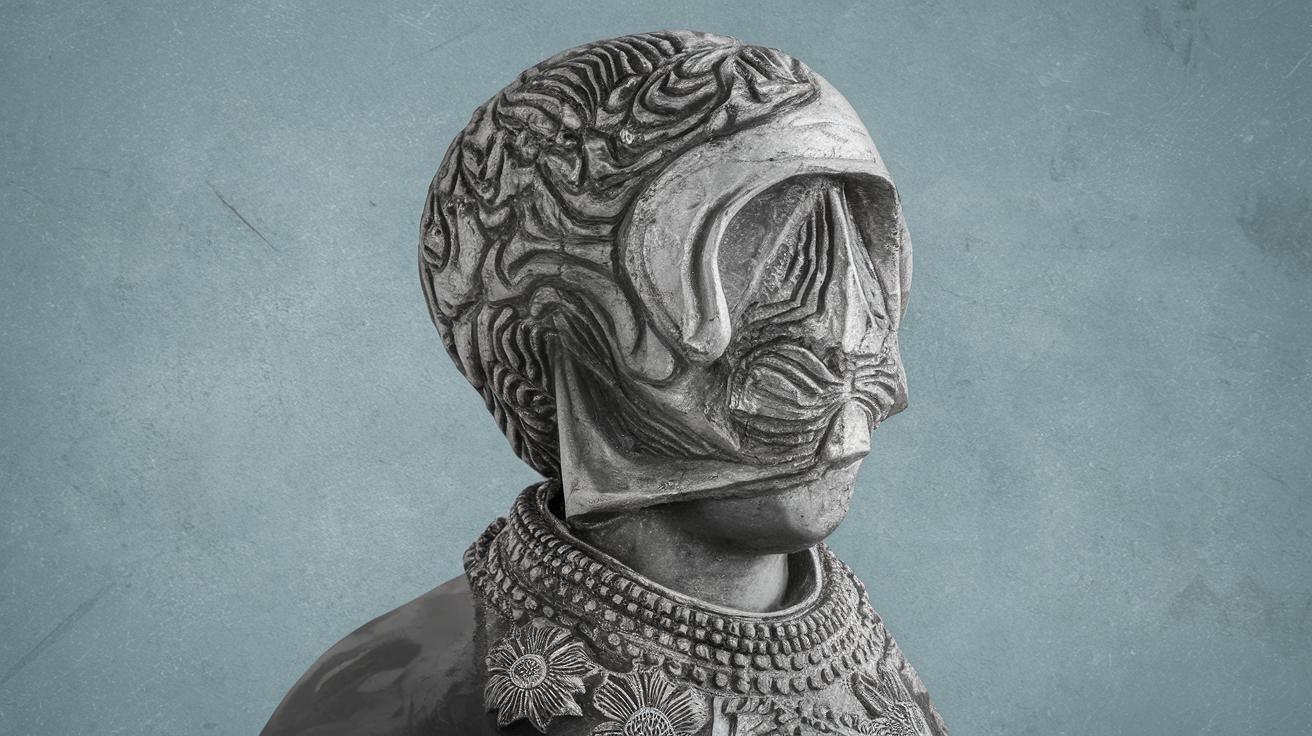
Exploring the Rich Tapestry of El Filibusterismo
El Filibusterismo, written by the revered Filipino nationalist José Rizal, is more than just a sequel to his
earlier work, Noli Me Tangere. This profound novel delves into the complex issues of colonial rule and seeks to
illuminate the harsh realities of the oppressed in Spanish-occupied Philippines. Through its compelling
narrative and vivid characters, El Filibusterismo masterfully explores themes of power, corruption, and
rebellion. As we dissect this literary masterpiece, we will examine its significance in Rizal’s biography, its
compelling themes, and the profound impact it had on Filipino society and the broader struggle for independence.
Join us on this exploration of a novel that remains a significant piece of Philippine literature and an enduring
testament to the power of the written word to inspire change.
Learn about this topic in these articles:
Discussed in Biography
José Rizal’s life and works are deeply intertwined with the history of the Philippines, reflecting his patriotism
and intellectual prowess. Born on June 19, 1861, in Calamba, Laguna, Rizal grew up in a society heavily
influenced by Spanish colonial rule. His experiences of racial discrimination and social injustices fueled his
desire for reform, leading him to pursue education abroad. It was during his travels in Europe that Rizal
nurtured his literary talents, writing Noli Me Tangere and its sequel, El Filibusterismo, as part of his
campaign against colonial oppression.
El Filibusterismo, published in 1891, is a direct product of Rizal’s life experiences and socio-political
concerns. Through his protagonist, Simoun, Rizal weaves a narrative of vengeance and revolution, showcasing the
darker aspects of human nature and the desire for social justice. This novel reflects Rizal’s evolution as a
writer and thinker, shifting from the hopeful reformism of Noli Me Tangere to a more radical stance, advocating
for a broader awakening among the Filipino people.
Themes and Motifs
El Filibusterismo deftly explores several themes, with power and corruption at the forefront. The oppressive
Spanish colonial regime serves as a backdrop for Rizal’s critique of institutional corruption and moral decay.
Simoun, the novel’s enigmatic protagonist, embodies the struggle between vengeance and justice, a duality that
permeates the narrative. Rizal uses Simoun’s journey to question the ethics of revolution and the cost of
sacrificing morality in the name of freedom.
Another prominent theme in El Filibusterismo is the concept of identity and transformation. Simoun’s external
transformation from the idealistic Ibarra of Noli Me Tangere to the vengeful jeweler is symbolic of the internal
changes he undergoes in response to betrayal and oppression. Rizal masterfully speaks to the necessity of
personal change as a catalyst for societal reform, urging his readers to consider their roles in the broader
struggle for identity and autonomy.
Impact on Society and Independence Movement
The impact of El Filibusterismo on Filipino society was profound, contributing significantly to the burgeoning
independence movement in the late 19th and early 20th centuries. The novel encapsulated the simmering discontent
among Filipinos and inspired various groups to rally against Spanish colonial rule. Its themes resonated with
the populace, providing a narrative framework for resistance and collective identity, eventually laying the
groundwork for the Philippine Revolution.
Despite its critical reception by the colonial authorities, who perceived it as seditious, El Filibusterismo
became a clandestine tool of dissent, circulating among intellectuals and revolutionaries. Rizal’s work
encouraged an emerging consciousness of nationalism and played a pivotal role in the Filipinos’ pursuit of
self-determination. The novel’s legacy endures, serving as a testament to the power of literature in shaping
consciousness and catalyzing societal change.
Lessons Learned
| Section | Insights |
|---|---|
| Discussed in Biography |
Rizal’s life and socio-political context heavily influenced El Filibusterismo, highlighting themes of reform and revolution. |
| Themes and Motifs |
The novel explores complex themes like power, corruption, identity, and transformation, reflecting Rizal’s deep understanding of social dynamics. |
| Impact on Society and Independence Movement |
El Filibusterismo significantly influenced Filipino nationalism and the independence movement, proving the enduring power of literature to inspire change. |