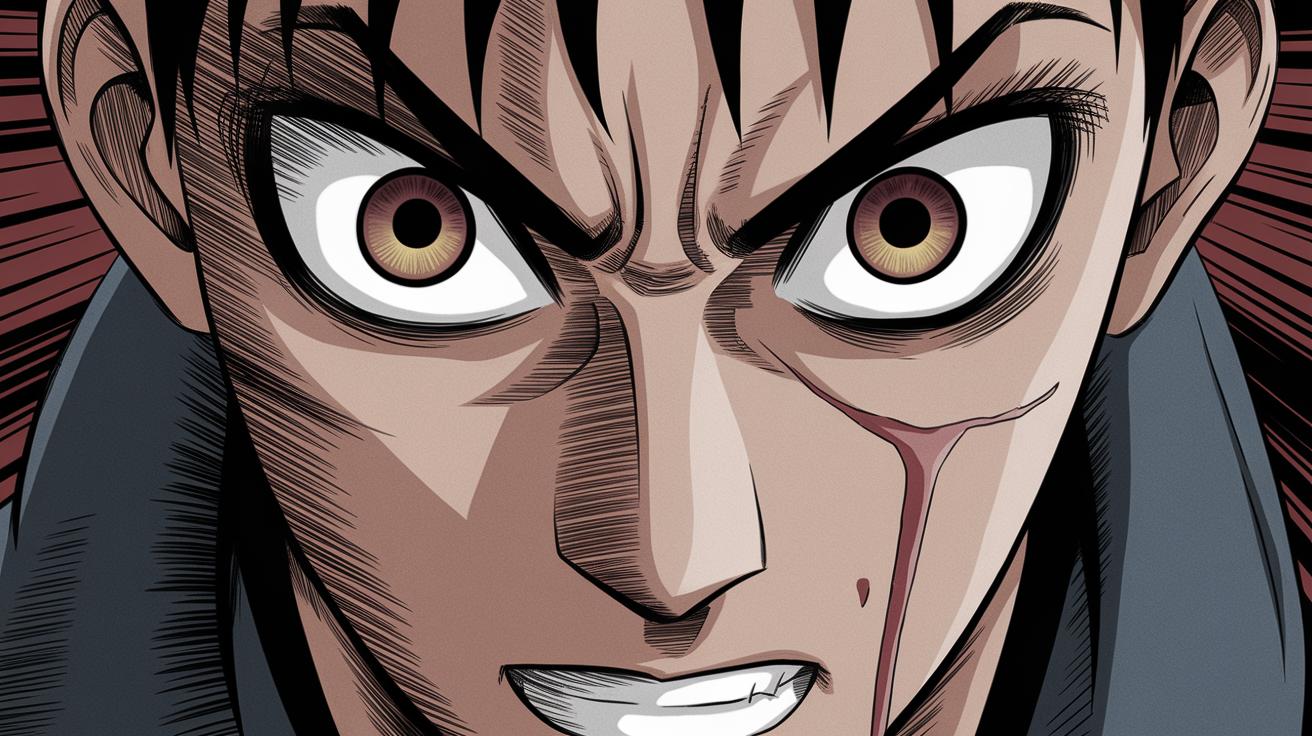
Ichi the Killer Manga: A Deep Dive
The world of manga is vast and diverse, offering stories that range from heartwarming to terrifying. Among the more controversial and intense narratives is “Ichi the Killer,” a manga that delves into the brutal underworld of violence, psychopathy, and psychological torment. Created by Hideo Yamamoto, this graphic series challenges readers with its graphic portrayal of crime and complex character portrayals. In this blog post, we will explore the intriguing elements of “Ichi the Killer,” examining its plot, major themes, character development, and its impact on the genre. By unpacking the layers of this provocative story, this discourse aims to provide insight for both new readers and seasoned fans, while also contemplating the broader implications of its storytelling in today’s world.
The Plot Unveiled
“Ichi the Killer” centers around the ruthless world of Yakuza gangs in Shinjuku, Tokyo, where violence is the norm. At the heart of this chaos is Kakihara, a sadomasochistic enforcer searching for his boss, Anjo, who has mysteriously disappeared along with a significant amount of cash. The narrative evolves as Kakihara’s quest leads him to cross paths with Ichi, a deeply troubled and manipulated man whose psychological scars manifest in extreme violence.
Unlike traditional narratives featuring a clear protagonist and antagonist, “Ichi the Killer” presents a morally ambiguous world where each character’s dark motivations blur the lines of heroism and villainy. Kakihara’s search pulls him deeper into the abyss, revealing the complexity of Ichi’s character—an individual trapped between being a merciless killer and a susceptible puppet to those who exploit his frailties.
Through a combination of intense action and psychological insight, the plot of “Ichi the Killer” serves as an exploration of the recesses of human depravity, propelled by a narrative structure that constantly challenges readers’ perceptions of justice and morality.
Major Themes of “Ichi the Killer”
One of the predominant themes of “Ichi the Killer” is the exploration of violence and its impact on human psyche. The manga offers an unflinching look at the nature of violence, not just as an act, but as a psychological experience that shapes identity and drives behavior. Characters like Kakihara and Ichi embody the notion that violence can be both a physical exercise and a manifestation of inner turmoil.
Another central theme is manipulation and control, as evident in Ichi’s character development. Ichi is portrayed as an emotionally unstable character, whose actions are often directed by those who manipulate him to pursue their own ends. This dynamic raises questions about the nature of free will and the influence of external forces on an individual’s choices.
Moreover, the manga delves into the concept of identity, questioning how environments and psychological trauma contribute to one’s self-perception. Through the chaotic lives of its characters, “Ichi the Killer” challenges the idea of a stable self, suggesting that identity is fluid and susceptible to distortion by external pressures.
Character Development and Analysis
The character of Kakihara is pivotal to the narrative, serving as both an antagonist and a lens through which the reader experiences the chaos of the storyline. His sadomasochistic tendencies and uncompromising loyalty to the Yakuza code make him a complex figure, often blurring the boundaries between villainy and flawed heroism. His quest for a lost leader amidst the chaos highlights his unwavering commitment—even as his methods reflect his deep-seated personal conflicts.
Ichi, the titular character, is presented as a study in contrasts—a blend of vulnerability and brutality. Under the manipulation of a mysterious figure, his actions are driven by deeply ingrained psychological damage and a misguided desire for acceptance. Ichi serves as a representation of how external influences can shape one’s path, illustrating the tragic potential within individuals who are not inherently evil.
The supporting characters in “Ichi the Killer” further enrich its narrative by contributing layers to the story’s exploration of loyalty, betrayal, and ambition. Each character represents different facets of the underground world, creating a tapestry of experiences that scrutinize humanity’s darkest corners.
The Impact on the Genre
“Ichi the Killer” has left an indelible mark on the crime and horror genres within the manga industry, recognized for its audacious storytelling and willingness to confront taboo subjects. Its blend of graphic violence and psychological complexity pushes the boundaries of what is conventionally acceptable in mainstream manga, carving a niche that appeals to readers looking for more than traditional hero-villain narratives.
The manga’s adaptation into other media, including a live-action film directed by Takashi Miike, speaks to its significant cultural impact and the fascination with its controversial content. These adaptations have introduced “Ichi the Killer” to a broader audience, maintaining its relevance within popular culture and further influencing storytelling techniques in related genres.
By challenging norms and offering a narrative rich in moral ambiguity, “Ichi the Killer” has inspired similar works, prompting creators to explore the darker aspects of human nature and societal structures with greater depth and nuance.
Future Prospects and Reflections
Looking ahead, “Ichi the Killer” remains a relevant piece of literature for discussions around the representation of violence and psychological trauma in media. As society continues to grapple with the implications of violent media, the themes presented in “Ichi the Killer” encourage ongoing dialogue about how art influences perceptions and actions.
For new readers, the manga offers a challenging yet rewarding experience, prompting introspection on the complexities of human nature and the consequences of manipulation and control. Its depiction of deeply flawed characters and a morally ambiguous world furthers the conversation about the role of art in depicting societal issues.
As we consider the future, the themes in “Ichi the Killer” can inspire future creators to responsibly explore mature themes while engaging audiences in meaningful discussions about the darker aspects of life, encouraging empathy and understanding in complex human interactions.
| Section | Summary |
|---|---|
| The Plot Unveiled | An exploration of the chaotic world of Yakuza, focused on Kakihara’s search for his missing boss and his interaction with the enigmatic Ichi. |
| Major Themes of “Ichi the Killer” | Focuses on violence, manipulation, and identity, questioning how these elements shape human behavior and perception. |
| Character Development and Analysis | Analyzes the complexities of Kakihara and Ichi, examining their motivations and the influence of external forces on their actions. |
| The Impact on the Genre | Details the manga’s influence on crime and horror genres, including its adaptations and its role in challenging conventional storytelling. |
| Future Prospects and Reflections | Considers the manga’s ongoing relevance, encouraging discourse on psychological trauma and violence in media. |