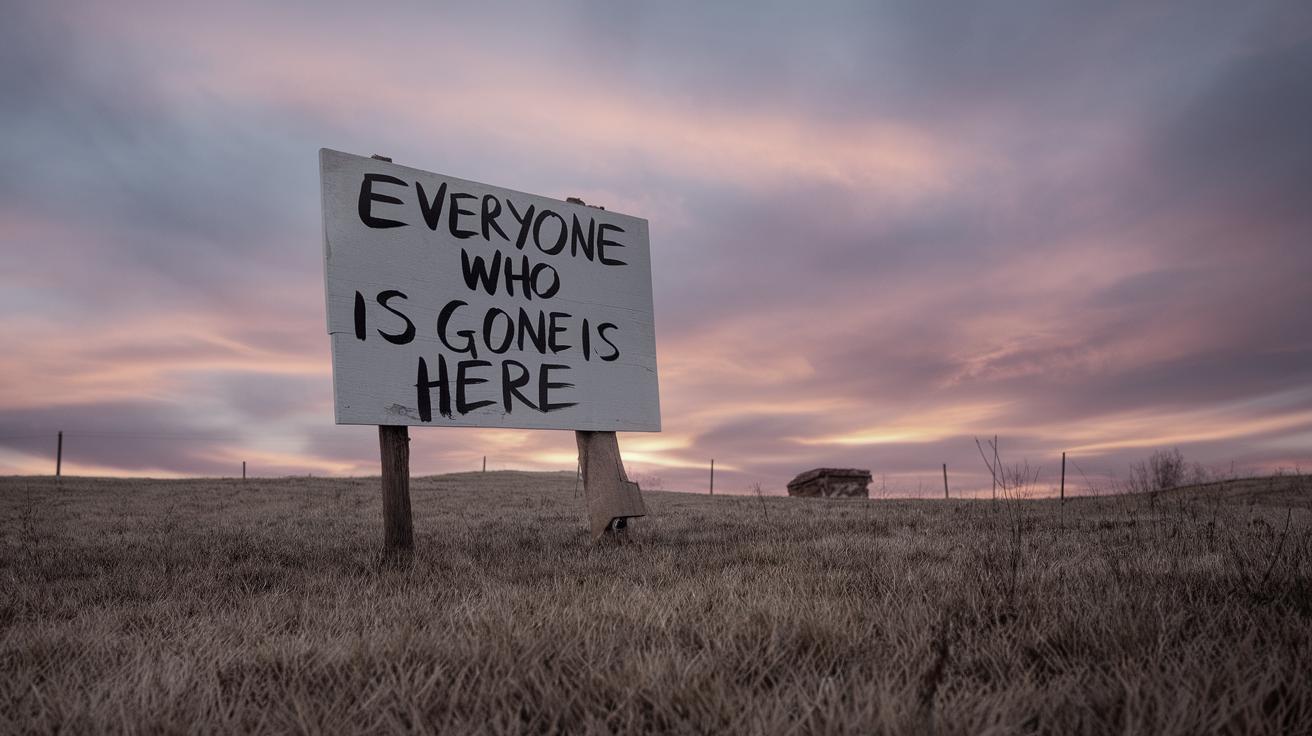
Everyone Who is Gone is Here
In the ever-evolving tapestry of human existence, the presence of those who have departed continues to resonate powerfully among us. This blog post explores the emotional nuances of absence and presence, weaving through the philosophical, cultural, and psychological dimensions of remembering. From nostalgic memories to the indelible marks left by past generations, we delve into the myriad ways loved ones remain present, casting long shadows and offering comfort. Journey with us as we unravel these intricate connections, understanding the delicate interplay between memory, existence, and their collective impact on our lives.
### Related Articles
The Philosophical Dimension of Absence
The philosophical realm offers profound insights into the concept of presence and absence, where thinkers have long pondered the mystique of human existence. Philosophers such as Martin Heidegger have explored the essence of being, suggesting that absence is an integral part of presence. When we say “everyone who is gone is here,” it embodies the idea that absence is not just a void but an active participant in our perception of reality. Each absence holds a trace, a reminder of what once was, contributing richly to the tapestry of human experience.
This philosophical inquiry delves deeper into the relational nature of absence. The dynamic interplay between presence and absence accentuates our understanding of human connections, inviting us to contemplate how those who have departed influence our current selves. By exploring these philosophical themes, we come to appreciate the unseen bonds that continue to guide and illuminate our lives.
Cultural Reflections on Remembrance
Cultures worldwide have established rituals and traditions that embody the presence of those who have gone before us. From the Mexican Dia de los Muertos, celebrating the lives of the deceased with offerings and vigils, to the Chinese Qingming Festival, which invites families to honor their ancestors through deep reflection, cultural practices illustrate how vividly past lives resonate within the present. These customs offer a cultural tapestry rich in memory, reinforcing that those who are gone remain a vital part of community consciousness.
Each cultural tradition provides unique frameworks that honor and bond the living with the departed. These expressions underscore a collective understanding and acceptance of mortality, merging the temporal lines between the present and the past. Through song, storytelling, and ceremony, cultures worldwide have crafted beautiful, enduring bridges across generations, illustrating the belief that everyone who is gone is indeed still here.
Psychology of Memory and Connection
In psychology, our connections with those who have passed extend far beyond memories, influencing our emotions and behaviors. The continued bond theory posits that maintaining a connection, even after death, plays an essential role in the human grieving process. By interacting with the mental representation of a loved one, individuals can find solace and motivation, illustrating that the departed maintain presence through impactful memory.
Memory serves a dual role of preserving and reshaping our experiences with those who have passed. Our mind is an active participant in resurrecting relationships, transforming memories into living entities that continue to guide our actions and decisions. Herein lies the understanding that everyone who is gone is here, nestled in the deeper recesses of our minds, impacting our journey every step of the way.
The Indelible Marks of Past Generations
The legacy left by past generations is manifest in the values, traditions, and stories handed down through the years. Each generation imprints its essence upon the next, crafting a lineage of shared wisdom and experiences. Whether through tangible heirlooms or cherished stories, the essence of those who have departed is woven into the very fabric of our identities, a testament to their enduring presence.
The pursuit to honor and learn from this collective past allows us to gain a deeper appreciation for the interconnectedness of life. Embracing the marks of those who have shaped us fosters a profound sense of identity and belonging. By acknowledging that everyone who is gone is here, we cultivate an enriched understanding of our place within the continuum of life, acknowledging the continuing influence of our predecessors.
Next Steps
As we reflect on the myriad ways absence transforms into presence, we foster a greater appreciation for the rich connections binding us to those who have come before. Through philosophical musings, cultural practices, psychological insights, and the enduring legacy of generations past, we recognize that even in their absence, our loved ones fuel our journey, serving as invisible companions guiding our path. Let us move forward with a newfound lens of gratitude and connection. Below is a summary of the key points discussed in this exploration.
| Section | Key Insights |
|---|---|
| The Philosophical Dimension of Absence | Explores the concept of presence and absence in philosophy, highlighting absence as an active element in existence. |
| Cultural Reflections on Remembrance | Highlights cultural rituals and traditions that celebrate and maintain the presence of those who have passed. |
| Psychology of Memory and Connection | Investigates the psychological aspects of memory and emotional bonds with the deceased. |
| The Indelible Marks of Past Generations | Discusses the legacy and influence of past generations on our present identity and choices. |