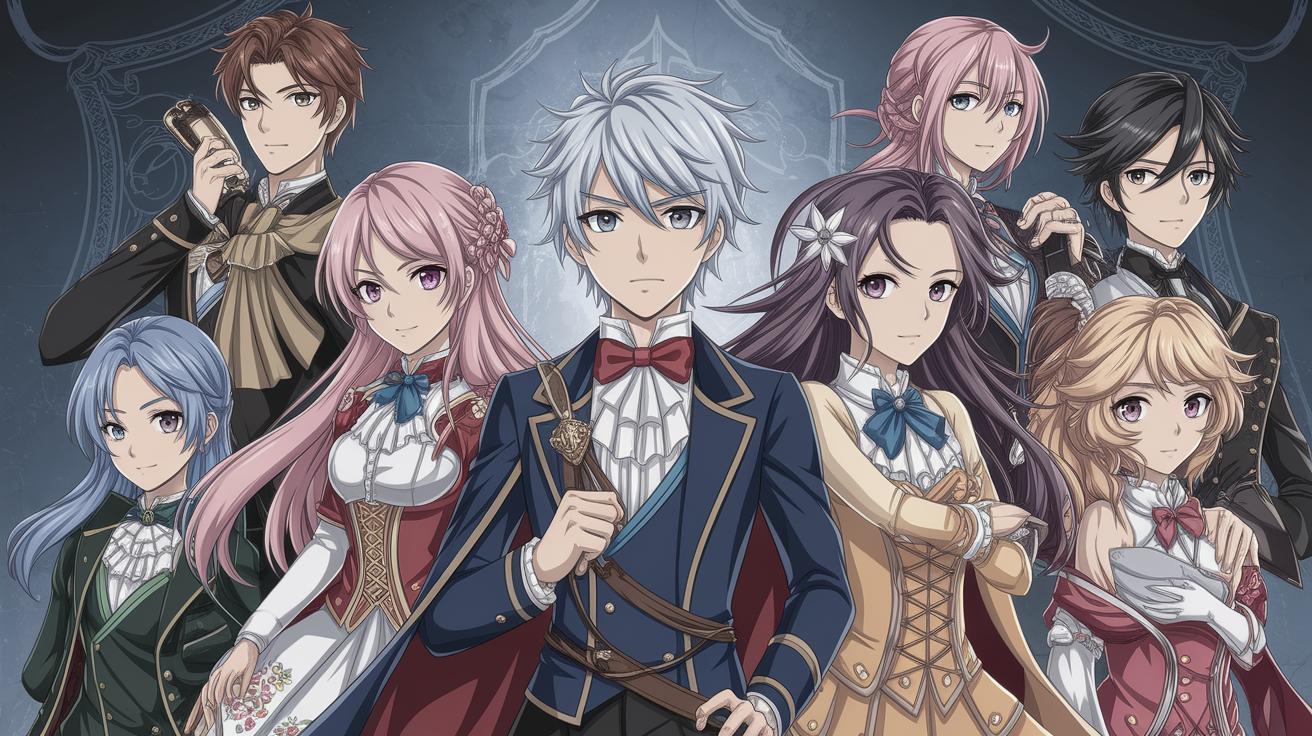
Chronicles of an Aristocrat Reborn in Another World
The allure of isekai, or transport to another world narratives, lies in the exploration of rebirth and transformation. “Chronicles of an Aristocrat Reborn in Another World” delves into this fascinating premise with vigor and imagination. This blog post examines the intriguing aspects of this popular genre, from its roots in contemporary literature to its themes of societal roles and character development. We will look into the narrative’s exploration of power dynamics, personal growth, and identity formation. As we unravel these layers, readers will gain insight into the enduring appeal of these stories and why they resonate so deeply with audiences worldwide.
Understanding the Isekai Phenomenon
Isekai, a Japanese genre of speculative fiction, is characterized by characters who are transported to, reborn, or trapped in a parallel universe or fantasy world. The genre has gained immense popularity through light novels, manga, and anime. It offers an escape for readers and viewers, providing imaginative adventures and a break from the mundane realities of everyday life. The concept of rebirth in another world allows for the exploration of limitless possibilities and uncovers the potential in ordinary individuals thrust into extraordinary circumstances.
The popularity of isekai narratives can be attributed to their ability to merge relatable elements with fantastical settings. These stories often begin with ordinary protagonists who find themselves in unfamiliar worlds. The audience is introduced to new cultures, unique creatures, and fantastical realms, all while following the protagonist’s journey of adaptation and survival. This blend of the familiar with the far-fetched keeps audiences captivated and invested in the characters’ transformative journeys.
Aristocratic Themes and Rebirth
In “Chronicles of an Aristocrat Reborn in Another World,” the fusion of aristocracy with the isekai genre adds a layer of complexity to the narrative. The protagonist, often reborn into an aristocratic setting, discovers their past life’s knowledge and experiences have equipped them with unique advantages. This combination of privilege and insight provides fertile ground for the exploration of class dynamics and power structures. It allows readers to see beyond the surface glamour of aristocracy, delving into the responsibilities and expectations tied to such positions.
The theme of rebirth as an aristocrat highlights a journey of identifying and utilizing inherent potential. As the protagonist navigates this new world with the awareness of two lives, they grapple with questions of identity and purpose. This journey often leads to personal growth and moral dilemmas, challenging the protagonist to reconcile their past and present selves. The narrative thus becomes a canvas for exploring themes of self-discovery and the human condition.
Power and Responsibility
The newfound power that comes with aristocracy in these narratives is frequently depicted as a double-edged sword. It presents opportunities for influence and leadership but comes bound with expectations and responsibilities. The protagonists must learn to wield their power judiciously, balancing their desires with the greater good. This dynamic adds an element of tension and intrigue, as the characters are tasked with choices that impact not only their personal outcomes but also the lives of those around them.
Moreover, these stories often illustrate the socio-political intricacies of aristocratic life. They confront the protagonist with the challenge of maintaining alliances, upholding family honor, and navigating court politics. Such responsibilities invite readers to reflect on the weight of power and the moral complexities faced by those in positions of authority. The journey from powerlessness to empowerment in an isekai world often mirrors real-world struggles for autonomy and justice.
Character Development and Growth
Character development is a cornerstone of isekai stories, and “Chronicles of an Aristocrat Reborn in Another World” is no exception. The protagonist’s journey from bewilderment to mastery is marked by trials, triumphs, and introspection. These narratives emphasize the transformation of the mind and spirit, often depicting a gradual evolution rather than overnight success. The characters’ experiences in two distinct worlds allow for a nuanced portrayal of personal growth that speaks to universal themes of resilience and adaptability.
As the protagonist encounters various challenges, they learn to harness their past life experiences, blending them with new skills and knowledge gained in their current situation. This blend of the old and new facilitates a comprehensive growth arc that explores multiple dimensions of the character’s identity. Their journey of self-discovery becomes a testament to the human capacity for change and the enduring quest for self-improvement.
Future Prospects
Looking ahead, the genre of isekai, particularly narratives like “Chronicles of an Aristocrat Reborn in Another World,” shows no signs of waning in popularity. As these stories continue to evolve, they hold the potential for innovative storytelling that transcends traditional boundaries. The themes of transformation, identity, and power will undoubtedly be explored in more depth, offering audiences new perspectives on the human experience through the lens of fantasy.
Moreover, the ongoing evolution of isekai stories suggests a growing inclusivity in their settings and characters, reflecting a broader range of experiences and voices. As authors push the boundaries of this genre, they play a crucial role in shaping the future of speculative fiction. Whether as escapism or as a platform for exploring profound themes, isekai narratives offer a rich tapestry for readers and creators alike to engage with timeless questions about life, identity, and the human spirit.
| Section | Content Summary |
|---|---|
| Understanding the Isekai Phenomenon | Explores the appeal of isekai as a genre, examining its ability to blend the familiar with the fantastical and engage audiences through transformational narratives. |
| Aristocratic Themes and Rebirth | Discusses the interplay between aristocracy and rebirth, focusing on class dynamics, self-discovery, and the protagonist’s journey of personal growth. |
| Power and Responsibility | Highlights the themes of power dynamics and responsibility, exploring the challenges faced by protagonists in positions of influence and authority in a new world. |
| Character Development and Growth | Emphasizes the journey of character evolution, showcasing the blend of past and present skills that contribute to the protagonist’s development. |
| Future Prospects | Looks ahead to the future exploration of isekai themes, considering the genre’s potential for innovative storytelling and inclusivity. |