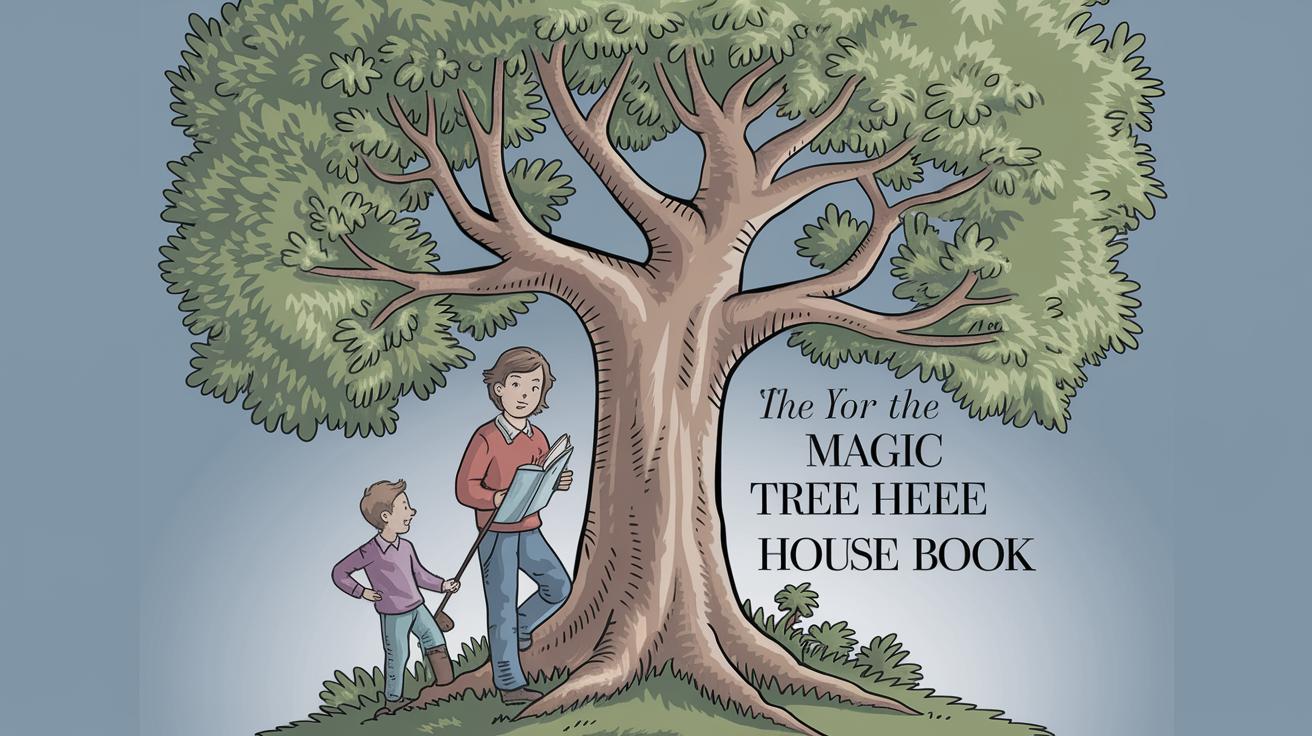
Exploring the Magic Tree House Series
The Magic Tree House series has captivated young readers for over two decades, weaving adventures with knowledge in an enchanting blend that encourages curiosity and a love for reading. In this blog post, we will delve into the positive and negative aspects of the series, evaluating its educational value and entertainment quotient. Additionally, we will explore whether these books are a good choice for children and suggest a list of 72 alternative books that similarly ignite imagination and critical thinking. If you’re contemplating a reading adventure for your young ones or in your classroom, this article will guide your decision-making process.
The Good in Magic Tree House
The Magic Tree House series, written by Mary Pope Osborne, is renowned for its ability to blend educational content with engaging narratives, making them a favorite amongst young readers and parents alike. Each book transports the protagonists, siblings Jack and Annie, to different points in history or places of wonder. While experiencing adventures in ancient Egypt or medieval castles, readers inadvertently absorb history, culture, and scientific facts, amplifying their learning outside the classroom environment.
The books are crafted in a way that encourages curiosity and research. Many young readers find themselves inspired to learn more about the eras and cultures Jack and Annie explore, fostering an early interest in history and science. Furthermore, Osborne’s vibrant storytelling and the incremental build-up of suspense and excitement stimulate children’s imaginations, helping develop their cognitive and emotional skills while keeping them entertained.
The Bad in Magic Tree House
While the Magic Tree House series enjoys immense popularity, it is not without its drawbacks. Critics often mention the formulaic structure of the books, which might lack diversity in storytelling over time. Though reliability and predictability can be comforting to some readers, others might find it monotonous. The structure might discourage children from challenging themselves with books that offer different narrative styles or more complex plots.
Additionally, the characters of Jack and Annie, while lovable, are not deeply developed. They often serve as conduits for the adventures without undergoing significant personal growth or change, which some readers might find less relatable or inspiring. This absence of character development might limit the series’ appeal to children who prefer stories with more nuanced character arcs. Nonetheless, the educational merit and imaginative quality of the series often outweigh these criticisms.
To read or not to read Magic Tree House?
Deciding whether or not to introduce the Magic Tree House series to young readers depends on the individual child’s interest and reading level. For children new to chapter books, the series offers an ideal starting point due to its accessible language and engaging plots. The books provide a seamless transition from picture books to more text-heavy literature, encouraging independence in young readers as they grow more confident in their abilities.
Conversely, parents and educators seeking stories with deeper character development or more intricate plots might opt for alternative selections. It’s crucial to balance Magic Tree House books with other series or standalone novels that present diverse narratives and character experiences. Regardless, the series can play an essential role in cultivating a habit of reading for entertainment and education, acting as a springboard for exploring library shelves further.
Share this post:
Whether you’re an educator, a parent, or a fellow book lover, sharing insights about the Magic Tree House series can enrich other readers’ experiences. Feel free to share this post on social media, or join the conversation by leaving comments on what adventures your young readers enjoyed the most.
72 similar books I recommend instead of Magic Tree House – some secular, some faith-based, all wholesome and engaging
For those looking for alternatives to the Magic Tree House series, consider exploring books like “A Wrinkle in Time” by Madeleine L’Engle, “The Boxcar Children” by Gertrude Chandler Warner, or “The Chronicles of Narnia” by C.S. Lewis. Additionally, newer series such as “Percy Jackson and the Olympians” by Rick Riordan and “The Wild Robot” by Peter Brown offer fresh adventures while maintaining similar themes of exploration and learning. The key is to find narratives that resonate with the child’s interests while broadening their literary horizons.
Books that blend adventure with educational themes can be found across genres and age categories, ensuring a steady supply of engaging material for young readers. Furthermore, series like “The Imagination Station” and “The Kingdom of Wrenly” offer thematic and structurally similar alternatives to Magic Tree House, providing variations that might intrigue a diverse range of readers.
Share this post:
Spreading the word about engaging and educational children’s literature helps foster a love for reading in the next generation. If you find this list of recommendations helpful, share it with other parents, educators, or book enthusiasts in your network.
| Aspect | Details |
|---|---|
| Positive Aspects | Educational content, encourages curiosity, blends adventure with learning. |
| Negative Aspects | Formulaic structure, limited character development, potential for monotony. |
| Reading Considerations | Good starting point for new readers, balance needed with diverse narratives, potential springboard for further exploration. |
| Alternative Recommendations | Incorporates books like “A Wrinkle in Time”, “Percy Jackson”, other educational adventures; offers secular and faith-based options. |