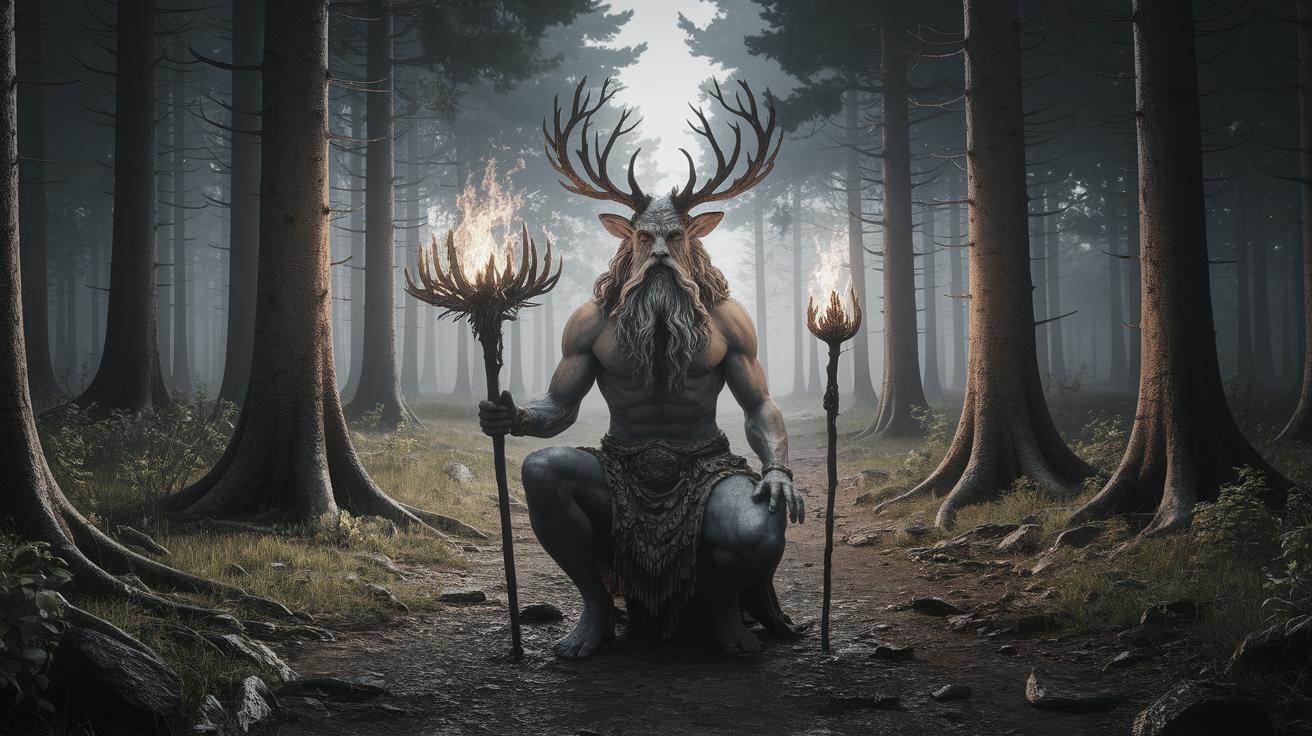
The God of the Woods
The enigmatic figure of the god of the woods has captured the human imagination for centuries. Representing the untamed wilderness and the spiritual essence of nature, this deity is revered across various cultures and mythologies. This blog post delves into the ancient origins, cultural significance, and modern interpretations of the god of the woods, exploring how this archetype continues to inspire us today. By examining literary references and artistic expressions, we unveil the enduring legacy of this powerful symbol of nature and its profound impact on our understanding of the natural world.
Ancient Origins of the God of the Woods
The concept of a god inhabiting the woods is rooted in ancient mythology, stretching back to the dawn of civilization. In Greek mythology, the figure of Pan is synonymous with the wild, an earthy deity that embodies the essence of untamed forests and the chaotic, yet harmonious, nature of the wilderness. Pan, with his half-man, half-goat form, represents both fertility and fear, echoing humanity’s complex relationship with nature.
Meanwhile, in Roman mythology, Silvanus takes on the mantle of the god of the woods. Known as the protector of forests, Silvanus is revered for safeguarding trees and wildlife, ensuring that the cycle of life continues unabated. These ancient deities personify the awe and respect our ancestors felt toward the natural environment, establishing a sacred connection between humans and the forested landscapes they depended on for survival.
Cultural Significance Across the World
Beyond the Mediterranean, many other cultures have their own interpretations of the god of the woods. In Celtic mythology, Cernunnos, the horned god, is a protector of the wild and a symbol of rebirth and fertility. He is often depicted with animals and surrounded by forestry, embodying the interdependence of life. This deity serves as a reminder of the cyclical nature of life and the vital role that forests play in maintaining ecological balance.
Further east, various Indigenous cultures have their own interpretations of woodland deities. Native American tribes, for example, have rich traditions that honor spirits of the land, where gods and natural phenomena are intertwined. These beliefs underscore the importance of living in harmony with nature, viewing the forest not just as a resource but as a living entity deserving of respect and reverence.
Modern Interpretations and Inspirations
Today, the god of the woods continues to inspire modern literature, film, and art. In fiction, authors frequently invoke woodland deities as metaphors for the primal forces of nature, challenging characters to confront their own wild instincts and the unknown. The allure of the forest and its divine inhabitants serves as a backdrop for stories exploring themes of growth, transformation, and the human connection to the natural world.
In visual art, the depiction of woodland gods often embodies the mystical allure of forests that modern society yearns for in an increasingly urbanized world. Sculptures, paintings, and illustrations bring these deities to life, prompting viewers to reconnect with nature on a deeper level. By channeling these ancient archetypes, contemporary creators remind us of the spiritual and imaginative possibilities that lie within the woods.
The Enduring Legacy of the God of the Woods
The god of the woods, as an enduring symbol, urges us to reflect on our role within the natural world. As environmental concerns escalate globally, there is a renewed interest in these ancient deities, seen as guardians of nature. They serve as powerful reminders of the necessity to protect forest ecosystems and the biodiversity they harbor, urging humanity to take action towards a more sustainable future.
Ultimately, the god of the woods embodies our deeply rooted need to belong within the greater web of life. By respecting and honoring these ancient figures, we strengthen our ties with nature and foster a sense of responsibility for its preservation. The legacy of the god of the woods is one of unity and respect, echoing through the ages as a timeless testament to the power and beauty of the natural world.
Summary of Main Points
| Aspect | Details |
|---|---|
| Ancient Origins | Rooted in Greek and Roman mythology with figures like Pan and Silvanus representing wilderness and nature. |
| Cultural Significance | Appears in various cultures, including Celtic and Indigenous traditions, symbolizing rebirth, protection, and harmony with nature. |
| Modern Interpretations | Influences literature, film, and art, serving as a metaphor for human instincts and the connection to nature. |
| Enduring Legacy | Encourages reflection on our environmental responsibilities and underscores the need for ecological preservation. |